

Support

Compliant to Code

1. Instruction about how to find the code requirement

1. General Path to Find Lighting Codes

Lighting requirements are usually found in Building Codes or Electrical Codes, sometimes in separate Energy or Lighting Codes.

Steps:Identify city/state jurisdiction
Many cities adopt state codes (e.g., California Title 24).
Some large cities (NYC, Chicago) have their own codes.
Go to official city website
Search with keywords:
City name + building code
City name + electrical code
City name + lighting requirements
Locate relevant departments

Find documents
Building Code PDF
Electrical Code PDF
Energy Code (Title 24 in CA)
Fire Safety requirements (for emergency lighting)

2.Common National Standards Referenced

Most city lighting codes are based on these:

NEC (NFPA 70) – National Electrical Code
NFPA 101 – Life Safety Code (emergency lighting, exit signs)
IBC (International Building Code)
IECC (International Energy Conservation Code) – lighting power density, energy use
ASHRAE 90.1 – energy efficiency standard
California Title 24 – strictest state energy code

3. Scene-Specific Search Keywords

Parking Garage: “parking facility lighting”, “minimum foot-candles”, “occupancy sensor”
Warehouse / Storage: “industrial lighting”, “minimum illuminance”, “energy code warehouse”
Office / Commercial: “office lighting power density”, “ASHRAE 90.1 office”, “automatic shutoff”
Healthcare / Schools: “patient care lighting”, “classroom lighting”, “daylight harvesting”
FAQs

How to Choose the Right Color Temperature & Wattage

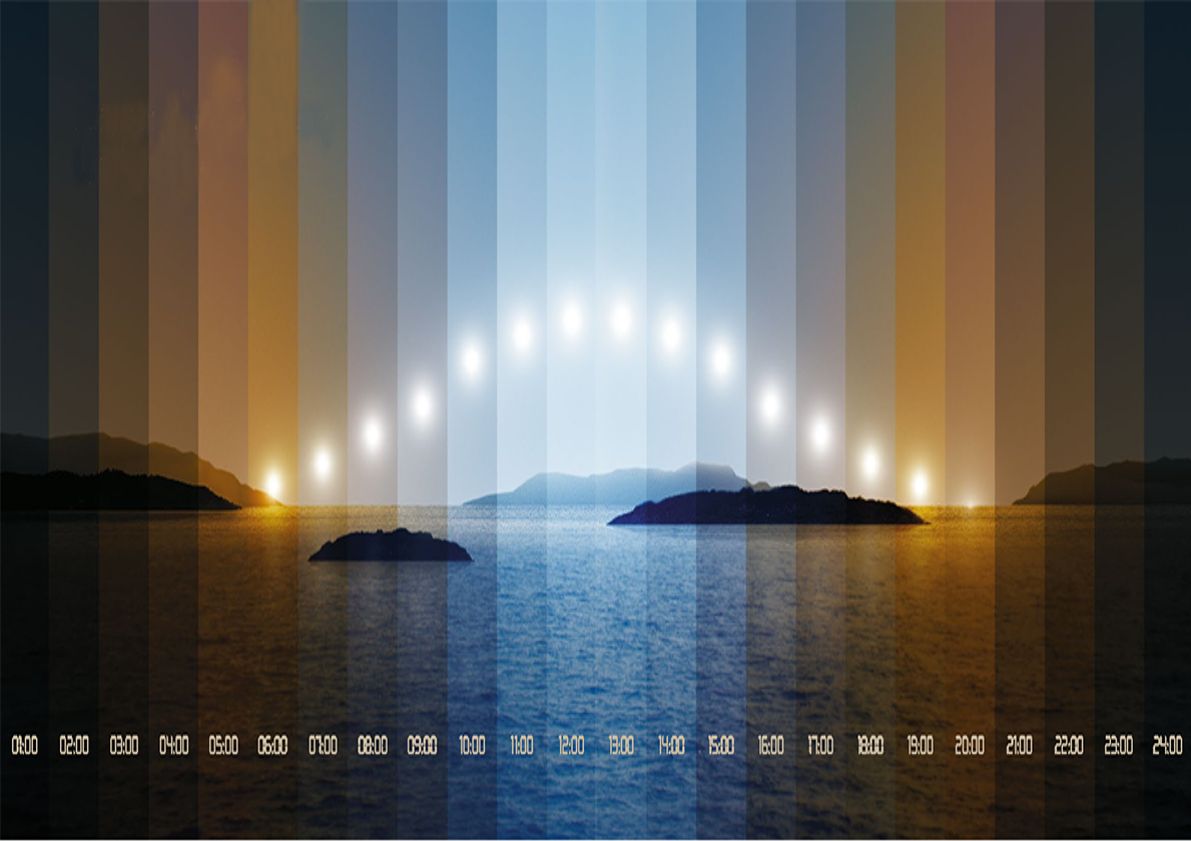
Selecting the right light output ensures comfort, functionality, and energy efficiency. Warm tones (2700K–3000K) create a cozy atmosphere ideal for living rooms and bedrooms, while neutral whites (3500K–4000K) support productivity in kitchens and offices. Cooler daylight tones (5000K–6500K) are often preferred for task-oriented spaces or commercial settings. Similarly, wattage should be chosen based on brightness needs and fixture compatibility—higher lumens for large or high-ceiling areas, and lower wattage for accent or ambient lighting. Matching color temperature and wattage to the application creates the perfect balance between mood, clarity, and efficiency.

Installation Tips

Proper installation is essential for both safety and performance. Always switch off power at the breaker before handling fixtures, and follow the included wiring diagrams carefully. Ensure that mounting hardware is securely fastened and that the fixture is suitable for the location, whether it’s indoor, outdoor, damp, or wet-rated. For complex projects, such as recessed or high-voltage installations, we recommend consulting a licensed electrician to guarantee compliance with local codes and long-term reliability.

For downlights, always verify the cutout size before installation and confirm that the housing is fire-rated or IC-rated when used in insulated ceilings; improper fitting may cause overheating or safety hazards. For wall lights, make sure mounting hardware is firmly secured into studs or proper anchors, and check that the fixture’s IP rating matches its intended location, especially in damp or outdoor environments. For UFO high bay lights, confirm that suspension chains, hooks, or brackets are rated for the fixture’s weight and that wiring connections are protected against dust and moisture commonly found in warehouses or industrial areas. In all cases, power should be shut off at the breaker before work begins, wiring should follow local electrical codes, and professional assistance is recommended for complex or high-voltage installations. Taking these steps ensures long-term reliability, compliance, and peace of mind.

About CRI

The Color Rendering Index (CRI) measures how accurately a light source reveals the true colors of objects compared to natural daylight, on a scale from 0 to 100. A higher CRI means colors appear more natural and vibrant, while a lower CRI can make them look dull or distorted. For example, high CRI lighting above 90 is often required in retail, galleries, and healthcare, where vivid and precise color perception is critical, while a CRI below 80 may cause reds to appear brown and skin tones to look unnatural. Beyond color accuracy, CRI also influences atmosphere: restaurants and hotels benefit from high CRI lighting that enhances food presentation and interior finishes, creating a welcoming environment, whereas low CRI can make spaces feel flat. In workplaces such as offices, workshops, and medical facilities, higher CRI improves clarity, reduces mistakes, and ensures safety. Typical ranges are CRI 70–80 for basic residential and outdoor use, CRI 80–90 for standard residential and commercial spaces, and CRI 90+ for applications that demand the highest visual quality. In short, a higher CRI ensures truer colors, better ambiance, and greater accuracy in both daily life and professional settings.

Contact Us

This site is protected by hCaptcha and the hCaptcha Privacy Policy and Terms of Service apply.

  • Customer service

    sales@leonlite.com

  • Phone

    800-990-7688
    M-F: 8AM-4PM