

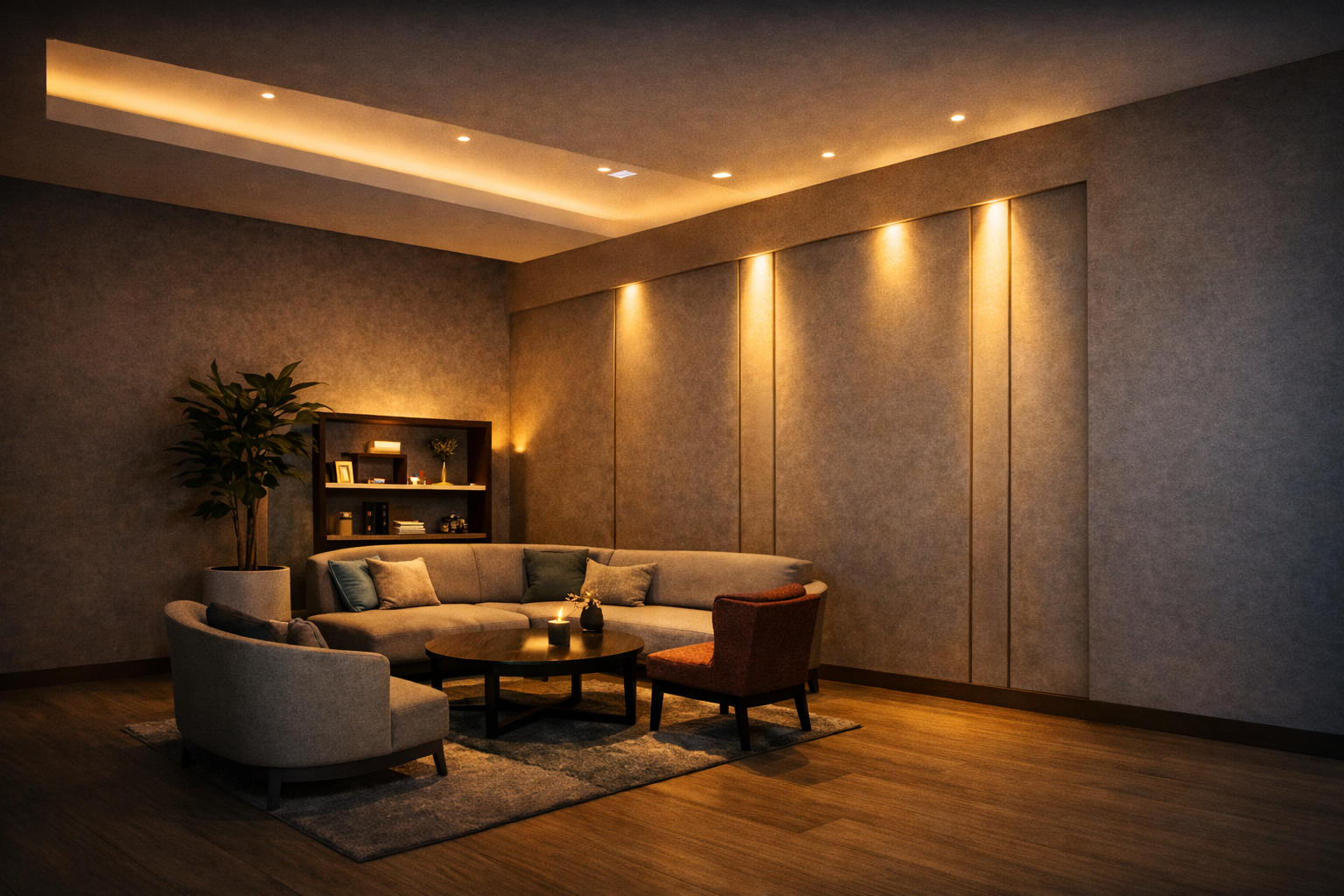
Layered light is an interior design technique using multiple light sources—ambient (general), task (focused), and accent (highlighting)—to create depth, functionality, and atmosphere, moving beyond flat, single-source lighting for a versatile, dynamic, and inviting space. It combines overhead, mid-level (lamps), and low-level lighting to build distinct zones and moods, making a room adaptable for any activity, from reading to entertaining.

The Three Core Layers
Ambient Lighting (General): Provides overall illumination, like a room's foundation. Think ceiling fixtures, chandeliers, or recessed lights.
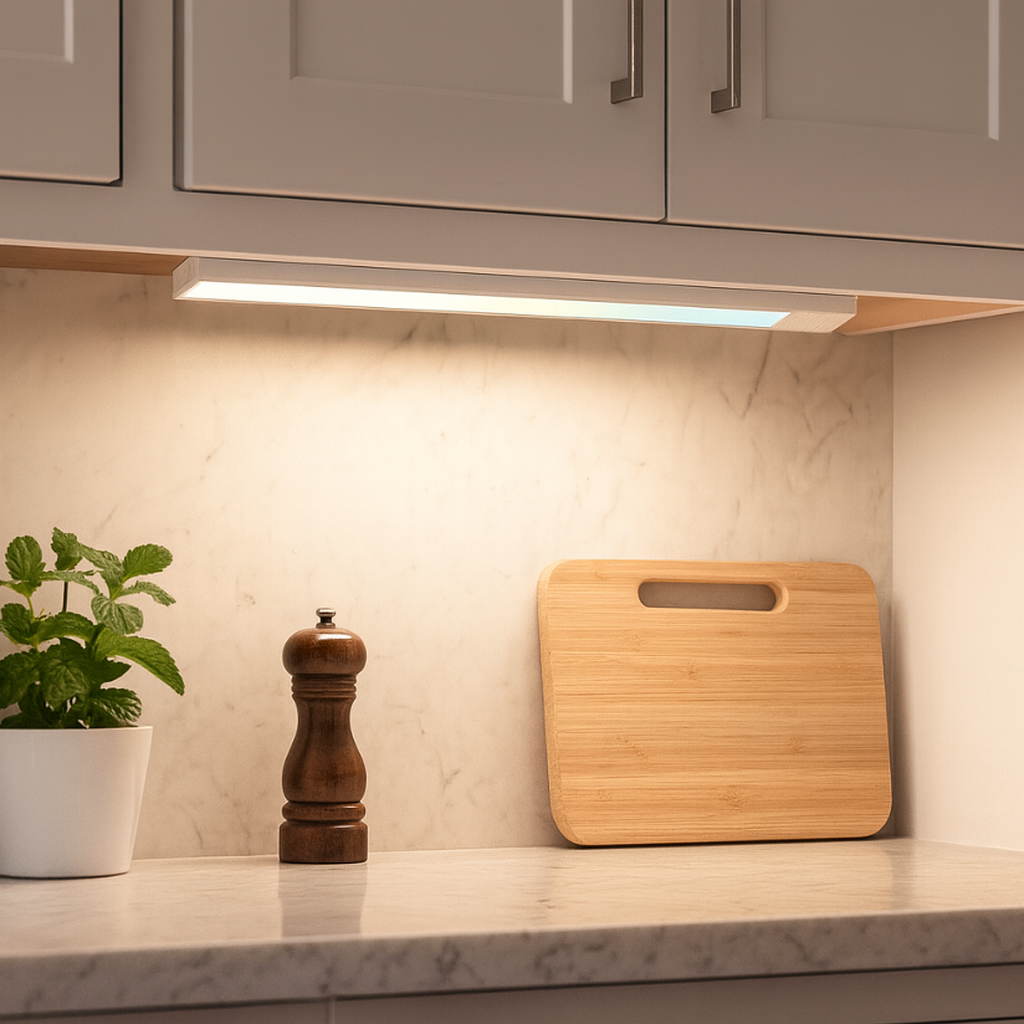
Task Lighting (Functional): Delivers focused light for specific activities. Examples include desk lamps, under-cabinet lights in kitchens, or reading lights by a chair.
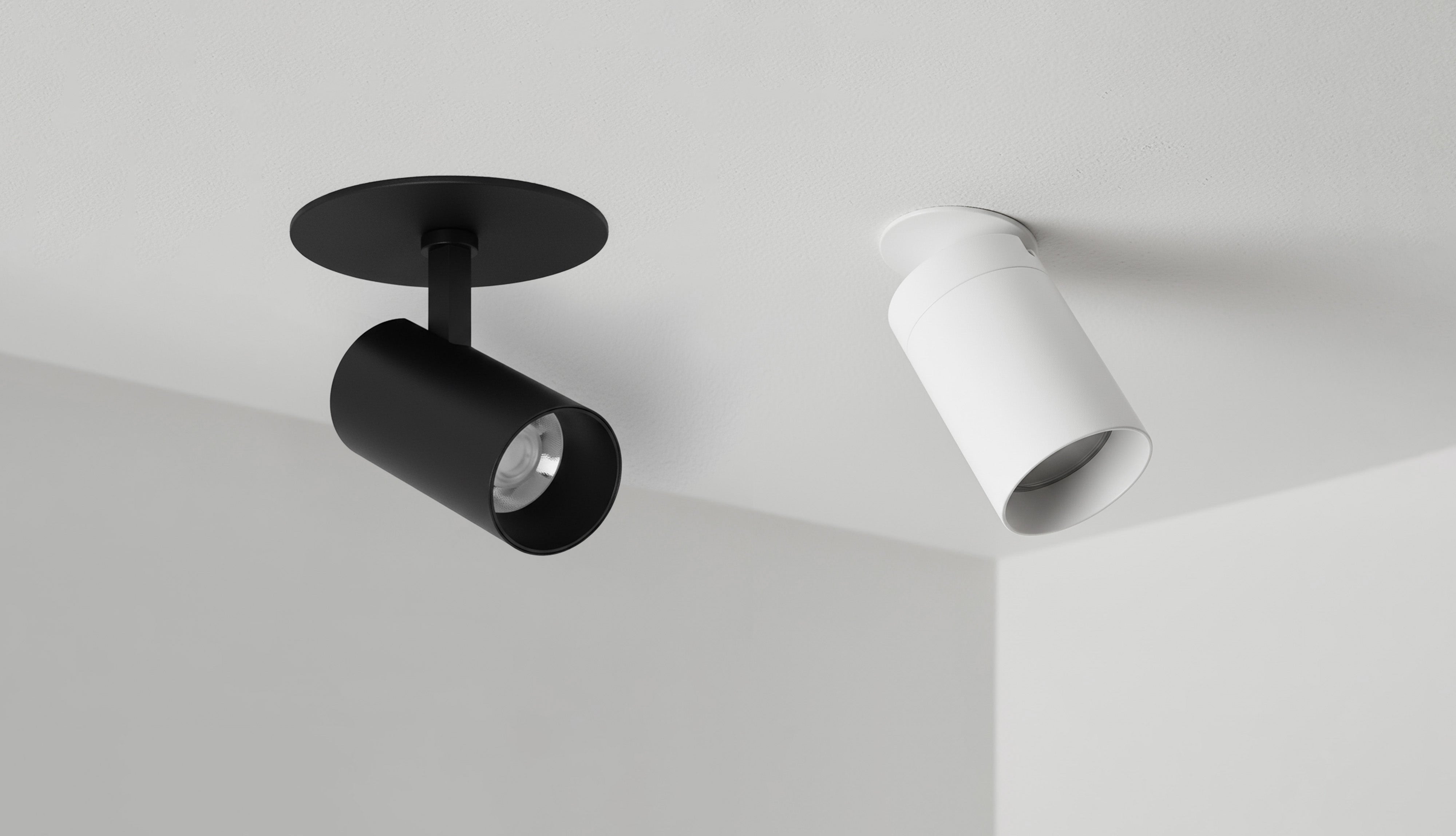
Accent Lighting (Decorative/Highlighting): Draws attention to artwork, architectural features, or plants, adding drama and texture. This can be wall sconces, track lights, or picture lights.

How to Implement Layered Lighting
Starts with ambient lighting by establishing your base light with overhead fixtures. Next, add task lighting by placing focused lights where work happens, such as kitchen counters and reading nooks. Then incorporate accent lighting by using spotlights or sconces to highlight décor and art. Mix and match different light sources at varying heights for a balanced look. Throughout the process, focus on smooth transitions between layers, ensuring proper beam control, effective glare management, and consistent color quality.
Common Mistakes to Avoid
・Using the same beam angle everywhere・
・Over-accenting every surface
・Ignoring vertical planes
・Treating lighting layers as decoration instead of structure

Final Thought: Light as a Composition, Not a Quantity
Layered light and shadow aren’t created by adding more light—but by placing light with intention.
When fixtures work together instead of competing:
・Spaces feel calmer
・Depth appears naturally
・Comfort improves without sacrificing clarity
Lighting stops being something you notice—and starts becoming something you feel.

Share:
Stop Reading the Full Code: What GC‘s Actually Need to Care About
How to Simplify Lighting Installation and Save money With 1-to-4 Wiring