

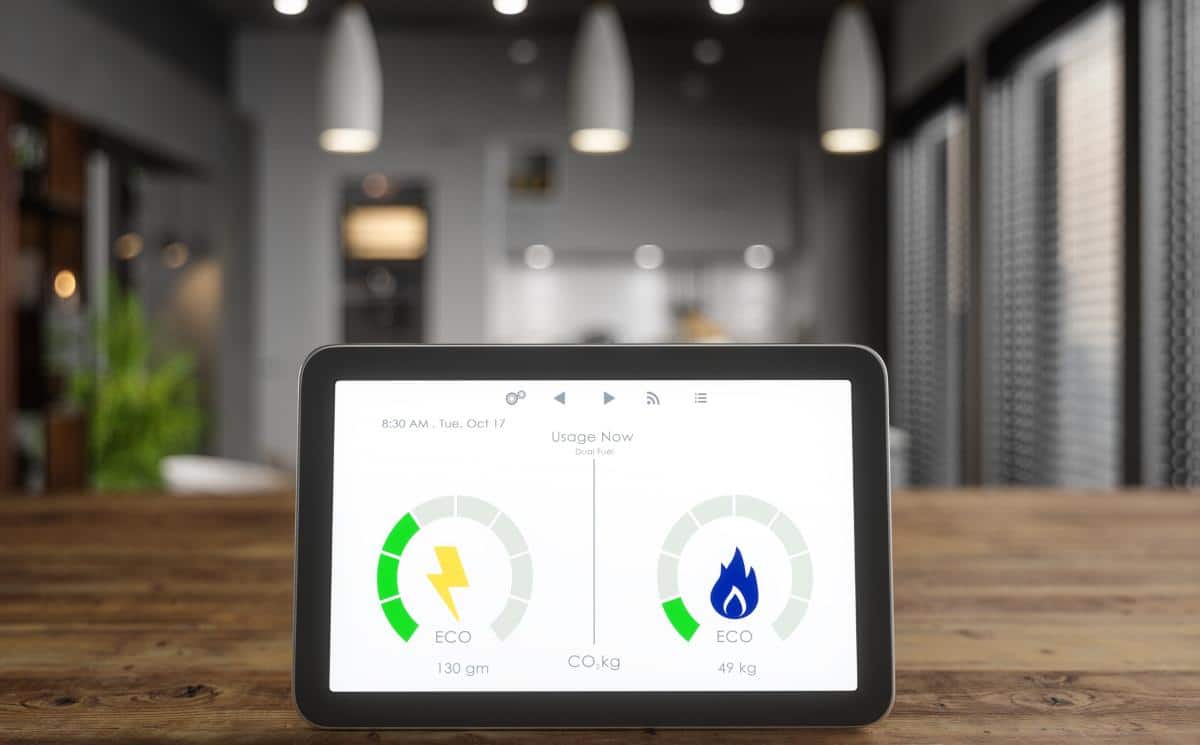
Real-time energy monitoring is changing how commercial and multifamily buildings evaluate lighting performance. Once a building is occupied, owners can now see how much electricity lighting systems use throughout the day, which means fixture selection, control strategy, and layout decisions are becoming more visible than ever.
For general contractors, this makes lighting planning more than an installation issue. In monitored buildings, inefficient fixtures, poor control coordination, and unnecessary lighting loads can show up quickly in operating data, affecting both long-term building performance and owner satisfaction.

What Contractors Should Do During Lighting Planning
To avoid problems once buildings begin using real-time energy monitoring, contractors can take several practical steps during the construction phase.
1. Prioritize Fixture Efficiency
In buildings with real-time energy monitoring, inefficient lighting fixtures can quickly appear as high energy loads. Contractors should evaluate fixture efficiency using measurable performance metrics rather than relying only on product descriptions.
One of the most important metrics is luminous efficacy, which measures how much light a fixture produces per watt of electricity.
Typical ranges include:
| Fixture Type | Typical Efficacy |
|---|---|
| Older fluorescent systems | 70–90 lm/W |
| Standard LED fixtures | 100–120 lm/W |
| High-efficiency commercial LED fixtures | 130–160 lm/W |
For corridor and parking lighting that operates for long hours, contractors should generally look for fixtures with at least 120–130 lm/W efficacy.
Other parameters contractors should review include:
Total lumen output
Ensure the fixture provides sufficient illumination for the application without oversizing the fixture.
Driver efficiency
Low-quality drivers can reduce overall fixture efficiency and affect long-term reliability.
DLC certification
Fixtures listed under DesignLights Consortium (DLC) programs typically meet minimum performance standards for commercial lighting efficiency.
Selecting fixtures with verified performance ratings can help prevent excessive energy usage that may later appear in energy monitoring reports.
2. Use Consistent Lighting Layouts
Lighting layout inconsistencies often create installation delays and uneven lighting performance. Contractors can reduce these issues by choosing lighting systems that align with common building dimensions.
In many multifamily and commercial projects, ceiling grids follow 2 ft or 4 ft module spacing. Lighting systems that match these modules allow installers to maintain consistent spacing across corridors and shared spaces.
Contractors should also review:
Mounting method
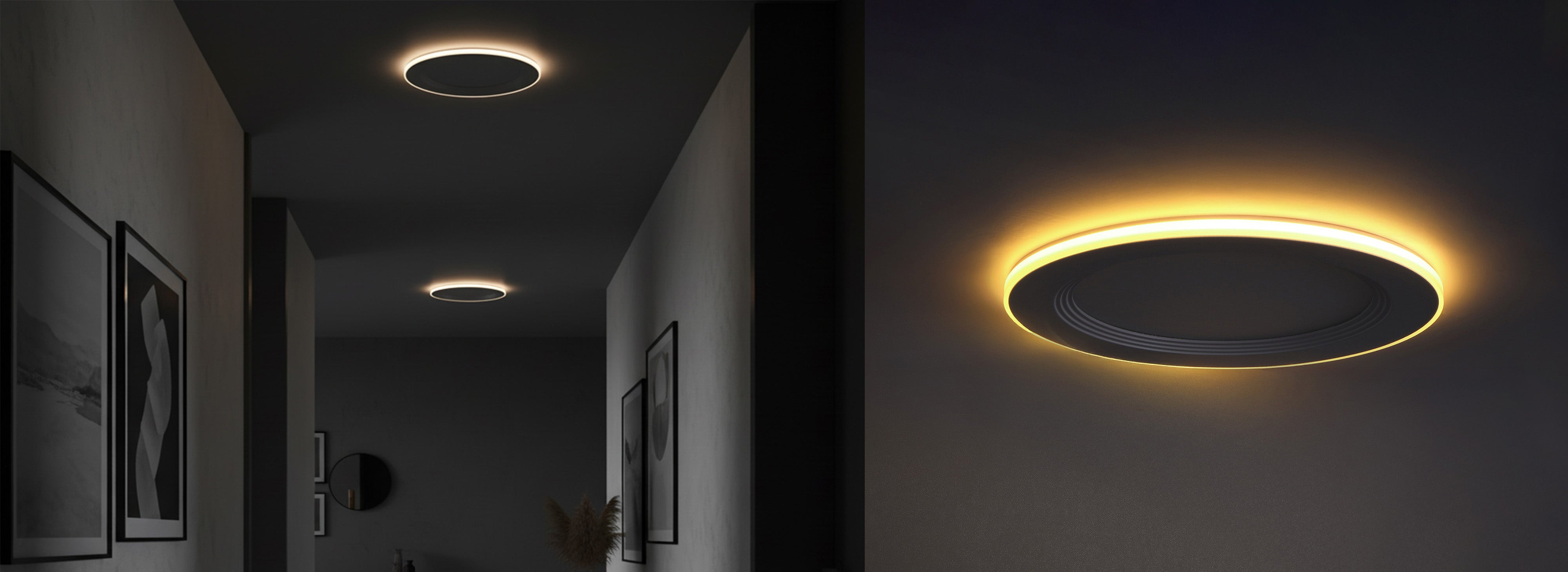
Fixtures designed for surface or suspended mounting typically install faster than recessed fixtures that require precise ceiling cutouts.
Fixture modularity
Modular systems that allow fixtures to connect in continuous runs can simplify installation across long corridors.
Wiring configuration
Fixtures with quick-connect wiring or pass-through wiring can reduce installation time when multiple fixtures are installed in sequence.
These small design factors can significantly reduce installation time when dozens or hundreds of fixtures are installed across a building.
Plan Lighting Controls Early
Lighting controls such as occupancy sensors, timers, or dimming systems can reduce unnecessary energy usage in areas that are not occupied continuously.
Contractors can reduce installation challenges by coordinating lighting controls with electrical and building systems early in the project.
Avoid Over-lighting
In some projects, lighting systems are installed with higher output levels than necessary. When energy monitoring systems are present, excessive lighting levels can result in unnecessary energy consumption.
Reviewing lighting layouts during planning can help ensure that lighting levels match the functional needs of the space without increasing energy loads unnecessarily.
3. Plan Lighting Controls Early
Lighting controls are often added late in the design process, which can create coordination issues during installation. Contractors can avoid these problems by planning lighting control strategies earlier in the project.
Common lighting control methods include:
Occupancy sensors
These sensors automatically turn lights off when spaces are unoccupied. They are commonly used in areas such as storage rooms, restrooms, and parking garages.
Daylight sensors
These sensors dim lighting when natural daylight is available, reducing energy consumption in spaces near windows.
Scheduled lighting controls
Lighting schedules can automatically reduce lighting levels during off-peak hours.
When planning lighting controls, contractors should verify:
Control compatibility
Ensure the lighting fixtures support the intended control system, such as:
-
0-10V dimming
-
DALI controls
-
smart lighting systems
Sensor placement
Sensors should be positioned to properly detect occupancy within the intended coverage area.
Wiring requirements
Control systems may require additional low-voltage wiring or specific driver compatibility.
Planning these systems early helps prevent installation delays and ensures the lighting system operates correctly once the building begins using energy monitoring systems.
Why Lighting Choices Matter More Than Before
In the past, once lighting systems were installed and passed inspection, their long-term energy performance was rarely analyzed in detail.
With real-time energy monitoring systems, building owners now have much better visibility into how buildings operate.
Lighting systems that are inefficient or poorly controlled may quickly appear in energy reports, which can lead to questions about system design or equipment selection.
For contractors, this makes lighting planning more important during the construction phase.

Where Real-Time Energy Monitoring Has the Biggest Impact on Lighting
Real-time energy monitoring is especially relevant in commercial and multifamily spaces where lighting runs for long hours or where owners closely track operating costs. Common examples include:
-
Multifamily corridors and common areas, where lights often run for extended hours
-
Parking garages, where fixture efficacy and control strategy directly affect energy use
-
Office common spaces, where scheduling and daylight integration can reduce unnecessary loads
-
Retail and hospitality environments, where lighting quality must be balanced against operating efficiency
Conclusion: What Contractors Should Focus on
As real-time energy monitoring becomes more common, lighting systems are becoming easier for building owners to evaluate.
For contractors, the practical takeaway is clear:
-
install lighting systems that prioritize energy efficiency
-
maintain consistent lighting layouts across large areas
-
coordinate lighting controls early in the project
-
avoid unnecessary lighting loads
By focusing on these steps during construction, contractors can help ensure that lighting systems perform well not only during installation but throughout the building’s operational life.


Share:
How Multifamily Contractors Can Reduce Lighting Installation Costs in 2026
Fundamentals of Energy-Efficient Lighting and Controls